


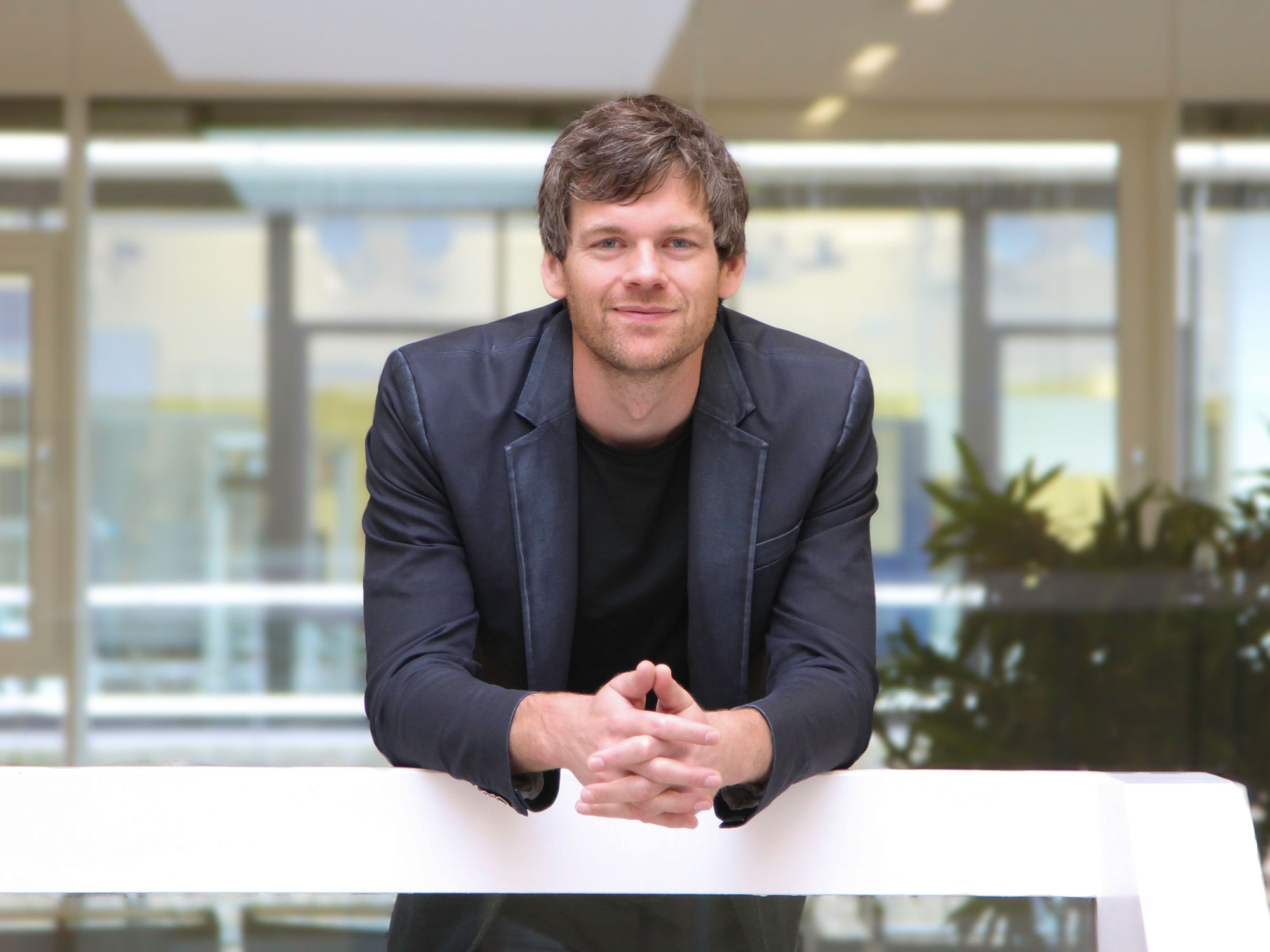
Klaus Maier-Hein is committed to enhancing the capabilities of machines in analyzing and interpreting medical imaging data. Specializing in radiologic data science, his team pioneers foundational methods and collaborates closely with professionals such as radiologists, oncologists, and radiation therapists for practical applications. Furthermore, he plays a pivotal role in creating research software infrastructure to facilitate the large-scale, multi-centric implementation of these solutions.
For information on advancements in algorithmic and infrastructural aspects of automated image processing, including semantic segmentation, detection of abnormalities, or image-based quantitative phenotyping (also known as "radiomics"), please visit https://www.dkfz.de/en/mic/index.php.

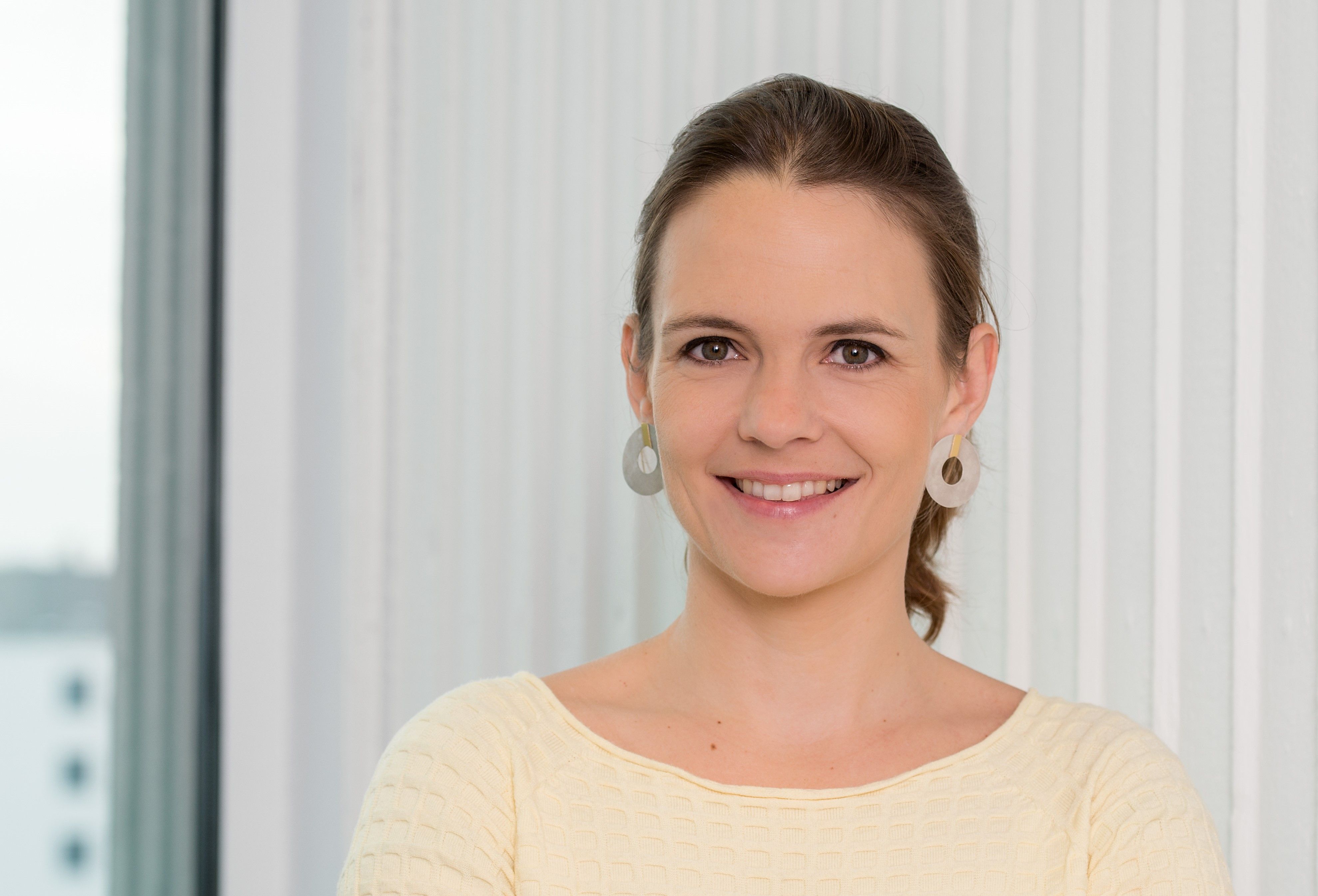
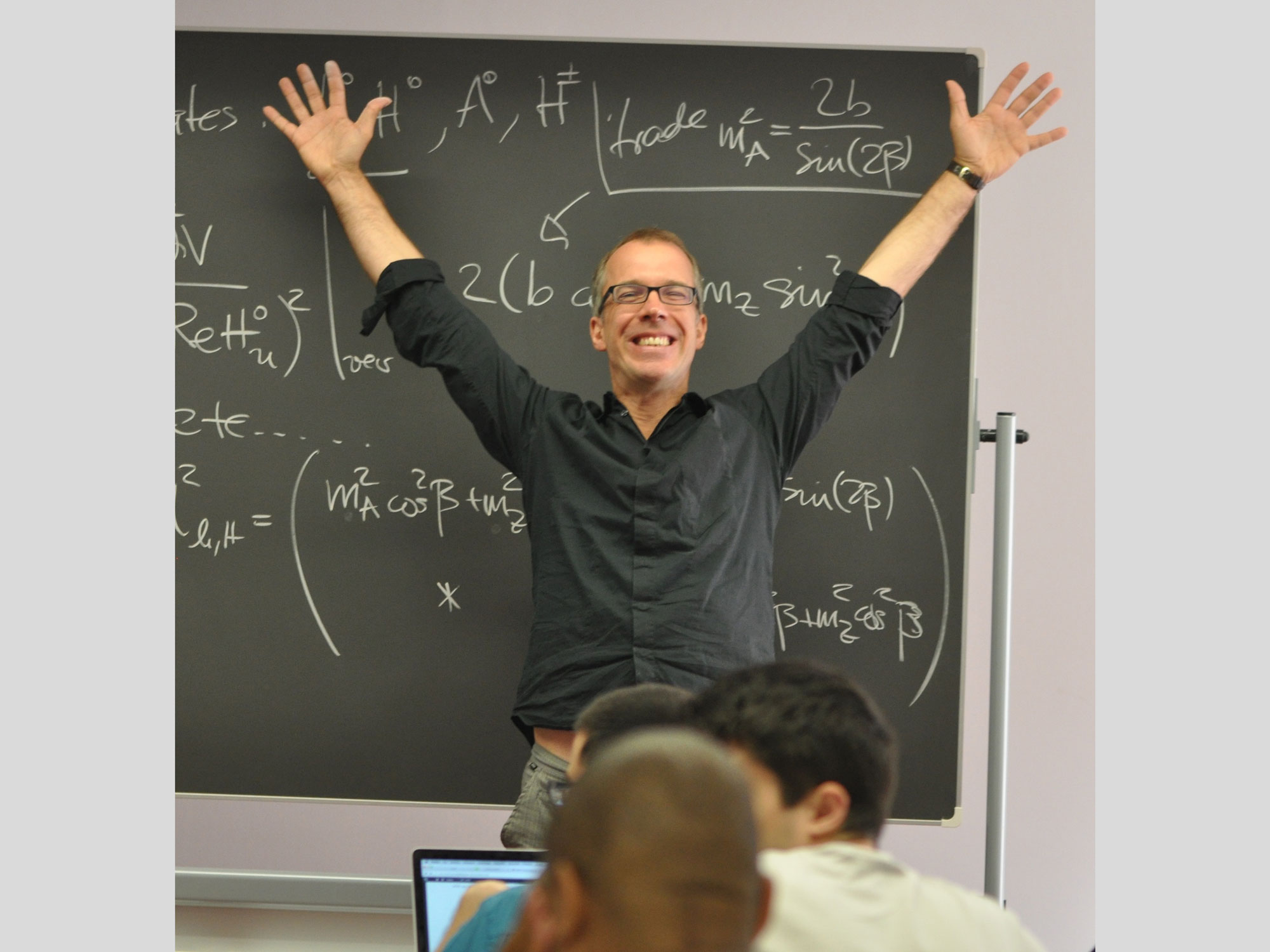
Tilman Plehn is a trained theorist working on quantum field theory predictions for the Large Hadron Collider at CERN. His group takes inspiration from modern machine learning to develop new ideas for LHC analyses and simulations. The case for machine learning at the LHC is obvious from the data rate of Petabytes per second, combined with precision simulations from theory. A field-specific challenge that we are focusing on is the reliability and the precision of modern tools, for instance error bars for (generative) networks. Such trustworthy error bars are an important step towards explainability. Much of this is the basis for the new MadNIS event generator and simulation-based inference tool.
Details can be found at https://www.thphys.uni-heidelberg.de/~plehn/.
Our goal is to acquire a functional understanding of the deregulation of molecular networks in disease and to apply this knowledge to develop novel therapeutics. We focus on cancer, auto-immune, and fibrotic disease. Towards this goal, we integrate big ('omics') data with mechanistic molecular knowledge into statistical and machine learning methods, and we share our tools as free open-source packages.
For more information, visit https://saezlab.org/.
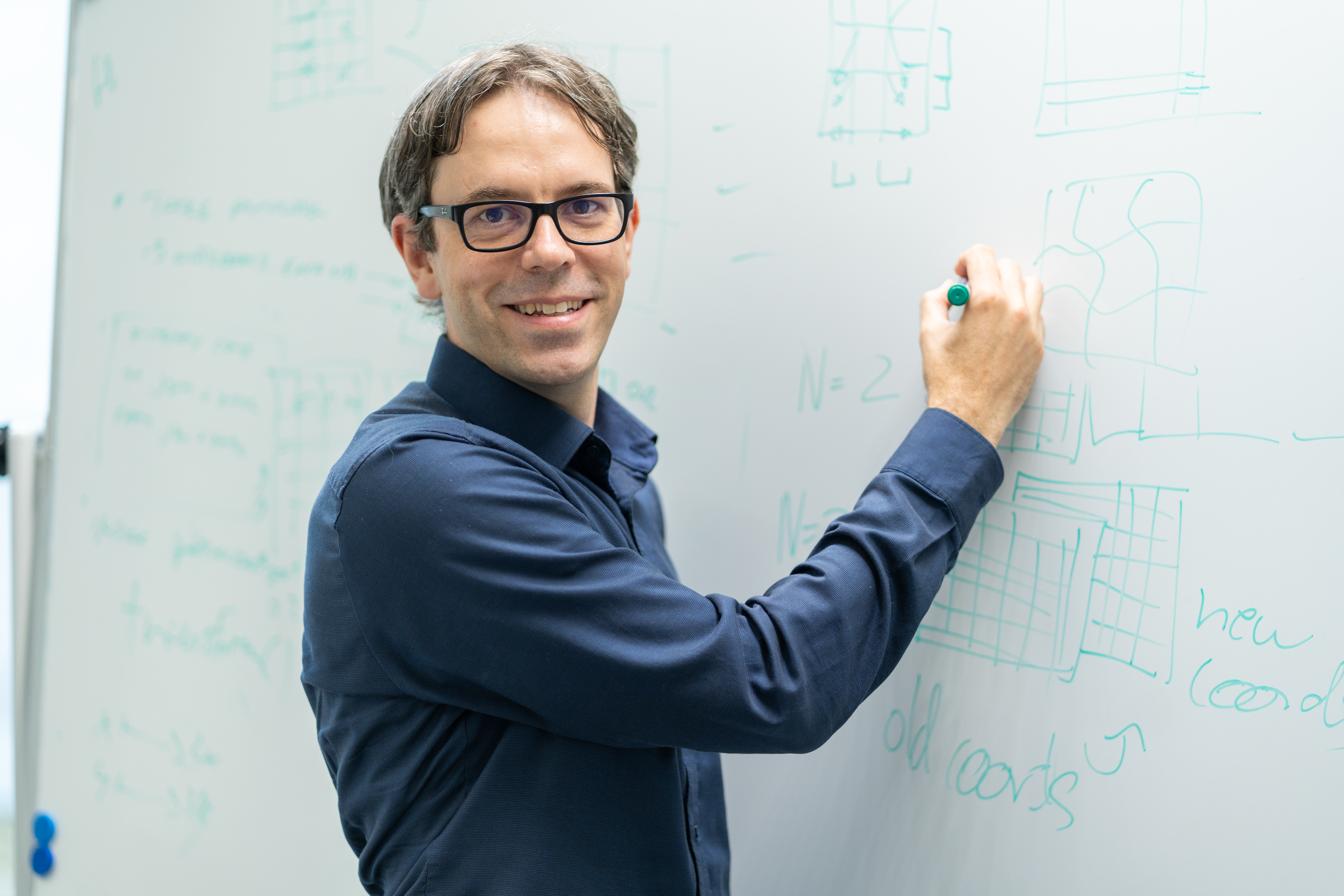
Oliver Stegle is driven to discover biomarkers of disease by exploiting large and high-dimensional omics data. His lab’s main interest is to develop novel approaches for scaling single-cell profiling to population cohorts in order to map genetic effects at fine-grained resolution. To achieve this, they are pioneering computational methods for integrating large and heterogeneous datasets across the individual and at the single-cell level.
For more information on their research at the interface of statistical inference, machine learning, and computational biology, please visit https://www.dkfz.de/en/bioinformatik-genomik-systemgenetik/index.php or https://steglelab.org/
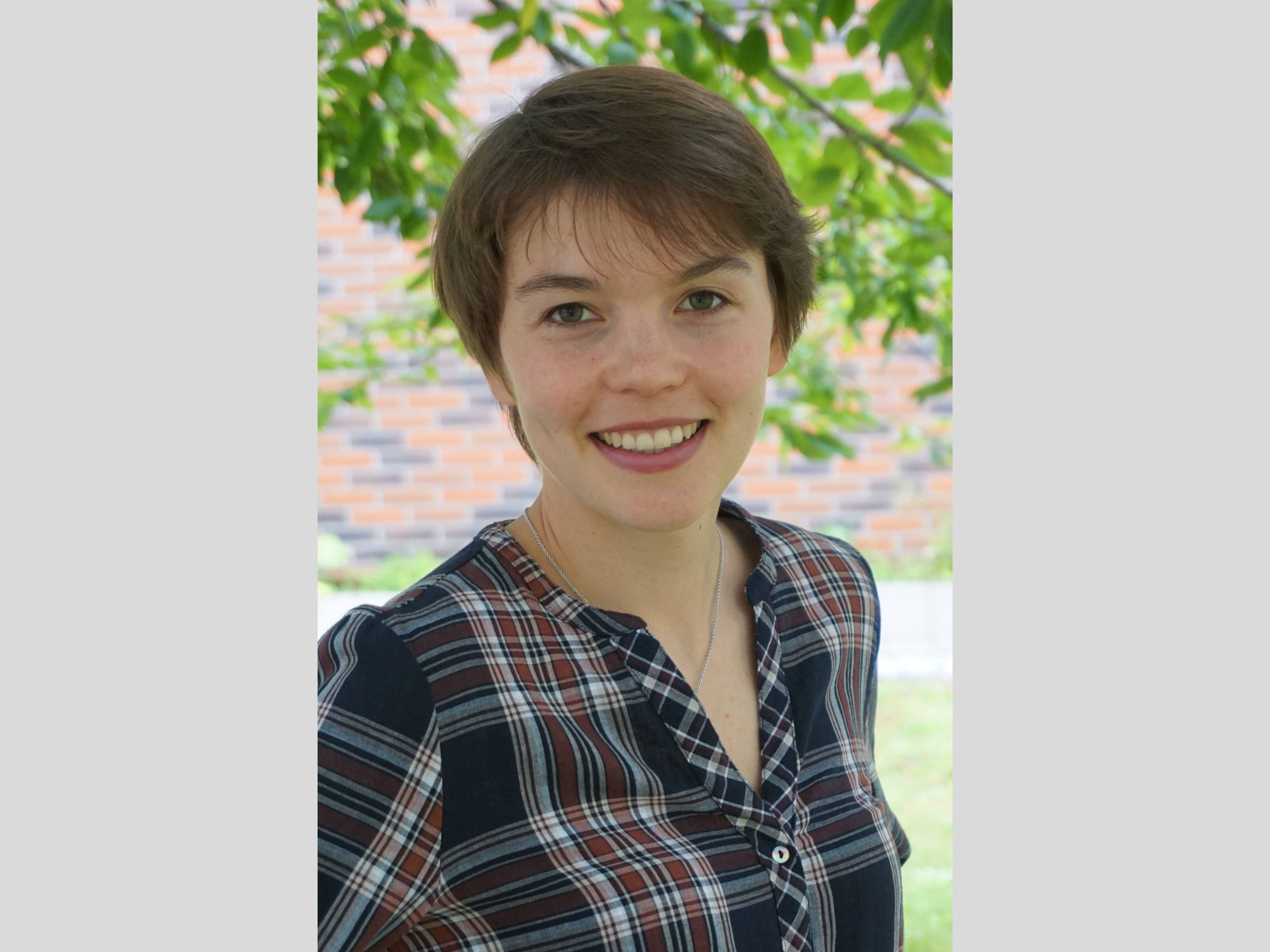
Britta Velten works at the interface of data science, machine learning, and the life sciences. Her team advances statistical methods and probabilistic machine learning to translate large-scale molecular data sets (‘omics data’) into biological insights and novel discoveries. A major focus lies on the development of latent variable models for data integration and dimension reduction, machine learning for temporal and spatial omics data, and causal inference to uncover regulatory mechanisms from molecular measurements. The methods developed by her group are made accessible to the whole life science community as open-source software on GitHub, Bioconductor, and PyPI.
For more information on her research, please visit https://velten-group.org/.