


Who We Are

Learn about our goals, core activities, and community

read more

Faculty

ELLIS Faculty

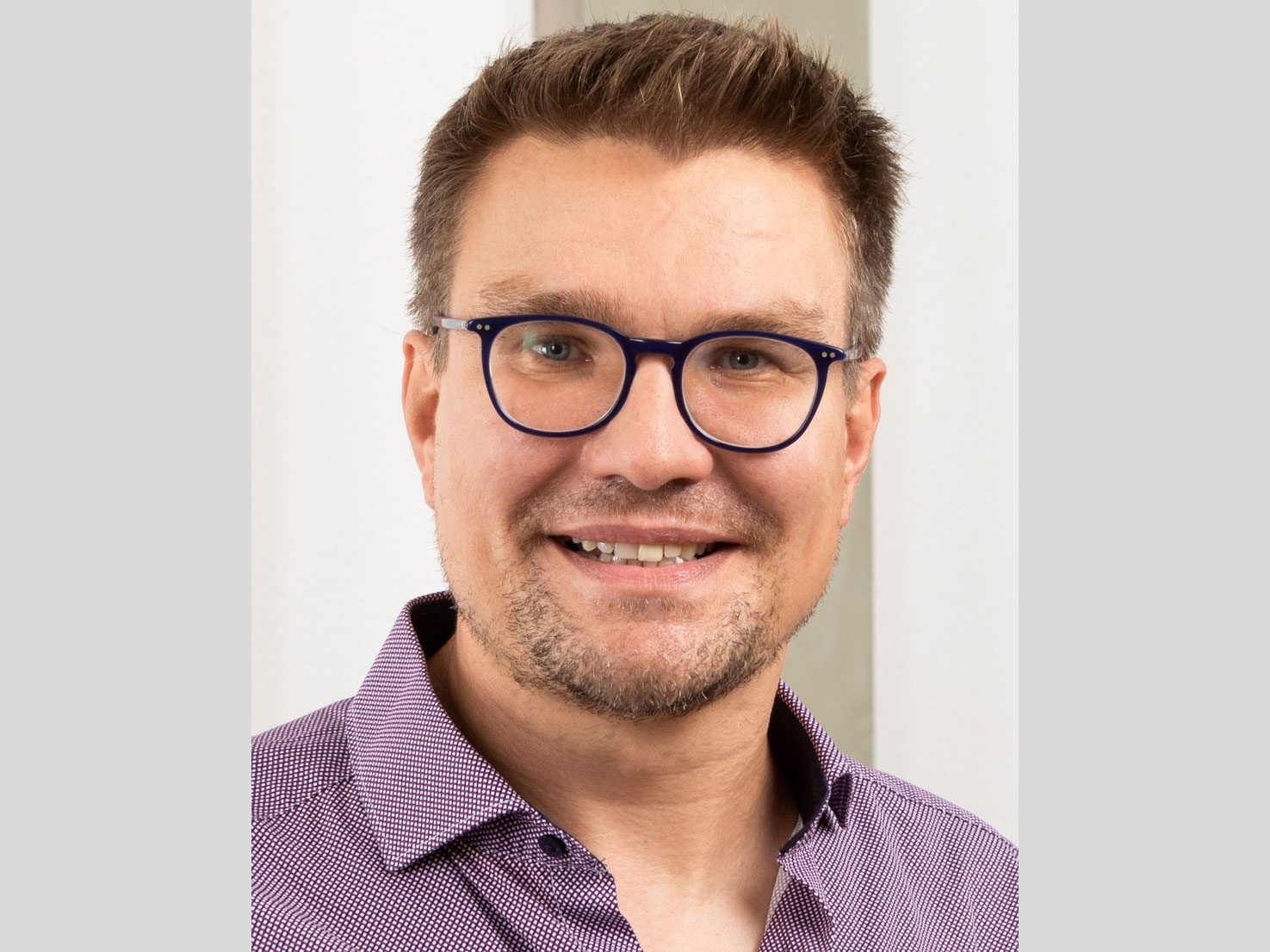
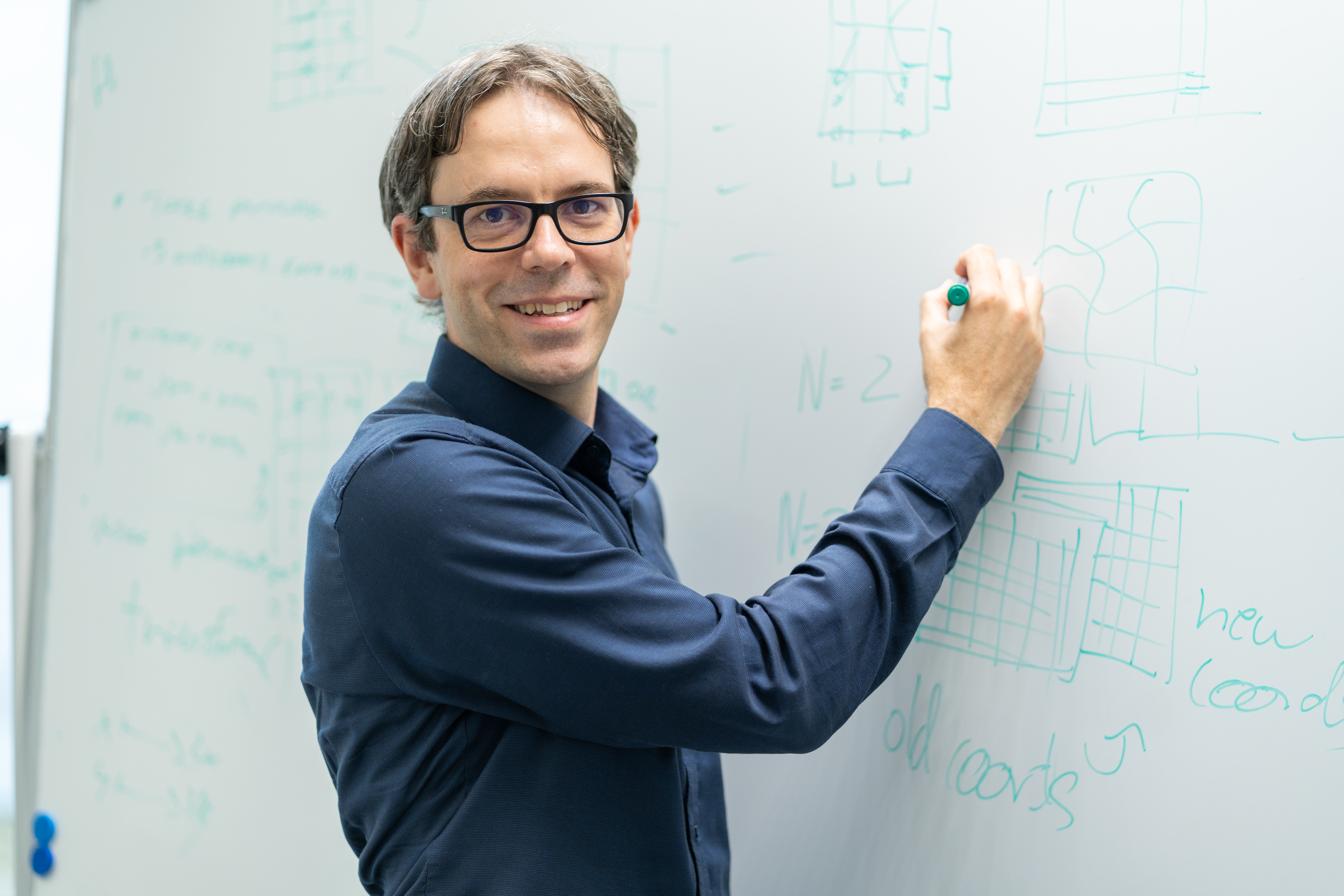
Klaus Maier-Hein

DKFZ
Division Head, Medical Image Computing
Managing Director, DKFZ Data Science and Digital Oncology
Group Leader, Pattern Analysis and Learning Group, Heidelberg University Hospital
K.Maier-Hein@dkfz-Heidelberg.de
ELLIS Faculty

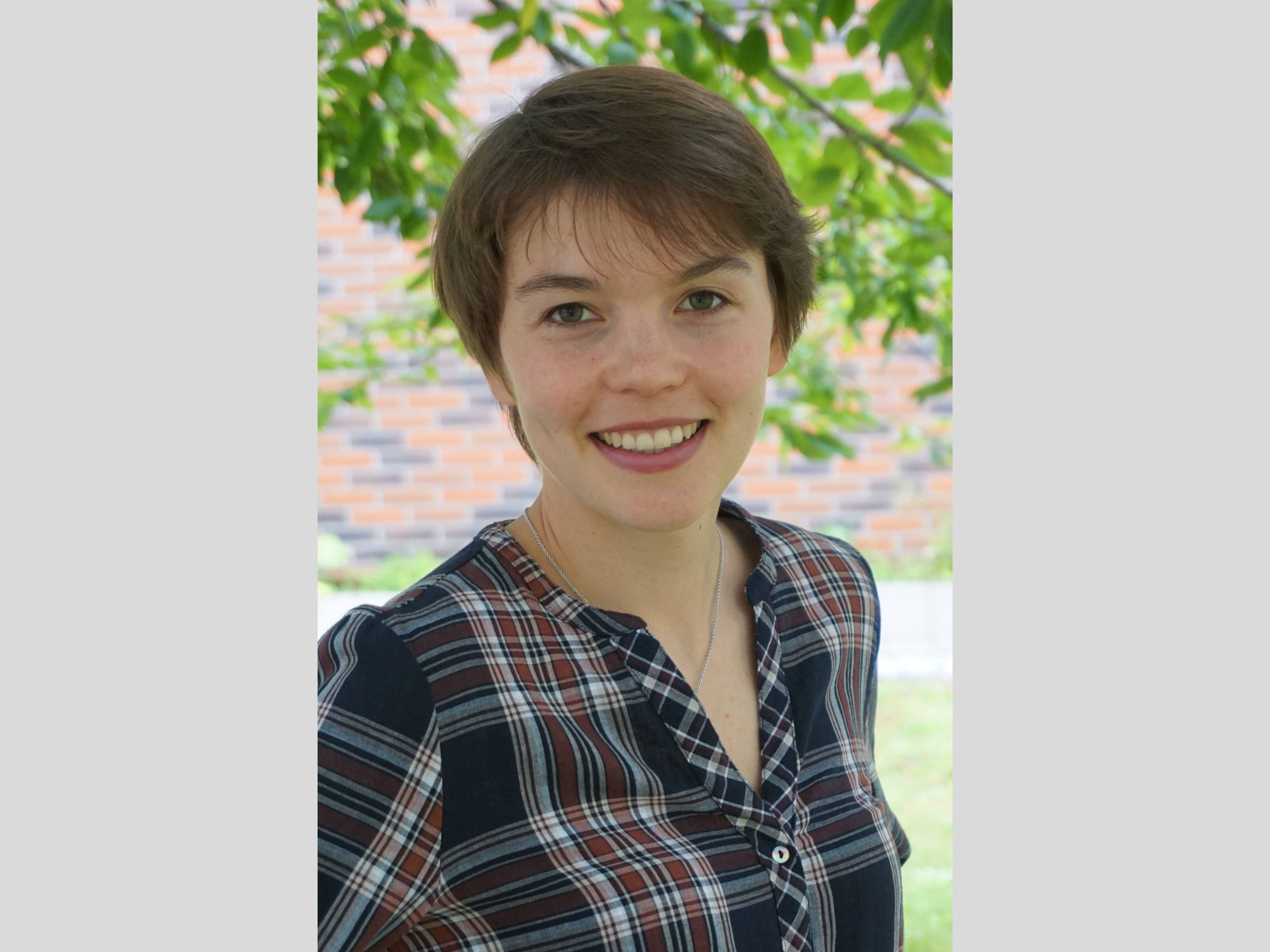
Lena Maier-Hein

DKFZ
Division Head, Intelligent Medical Systems
Managing Director, DKFZ Data Science and Digital Oncology Program
Managing Director, NCT Data Science
l.maier-hein@dkfz-heidelberg.de
ELLIS Faculty

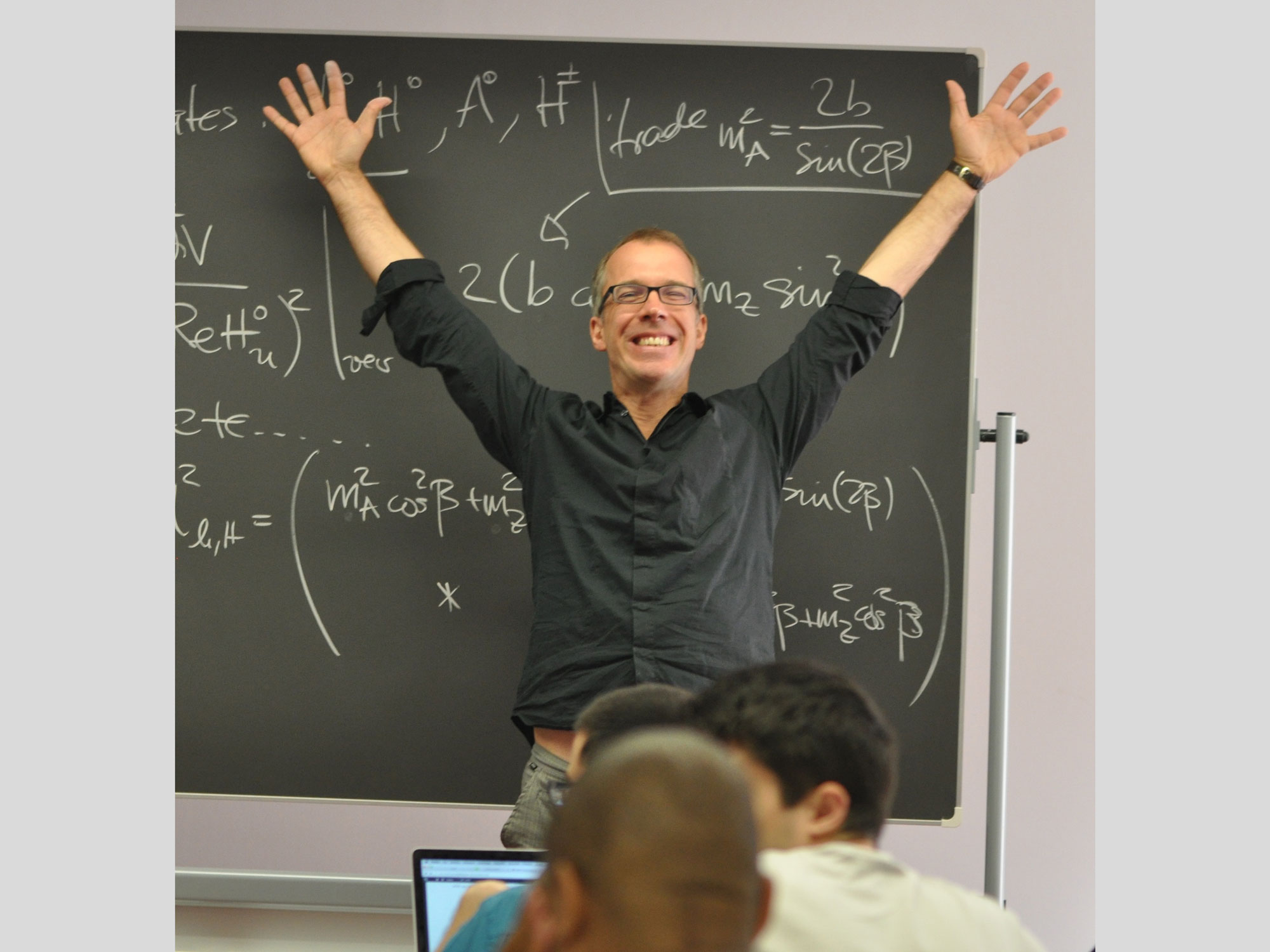
Tilman Plehn

Heidelberg University
Professor for Theoretical Physics
https://www.mlai.uni-heidelberg.de/en
plehn@uni-heidelberg.de
Co-Director ELLIS Unit

Carsten Rother

Heidelberg University
Head of Visual Learning Lab Heidelberg
carsten.rother@iwr.uni-heidelberg.de
ELLIS Faculty

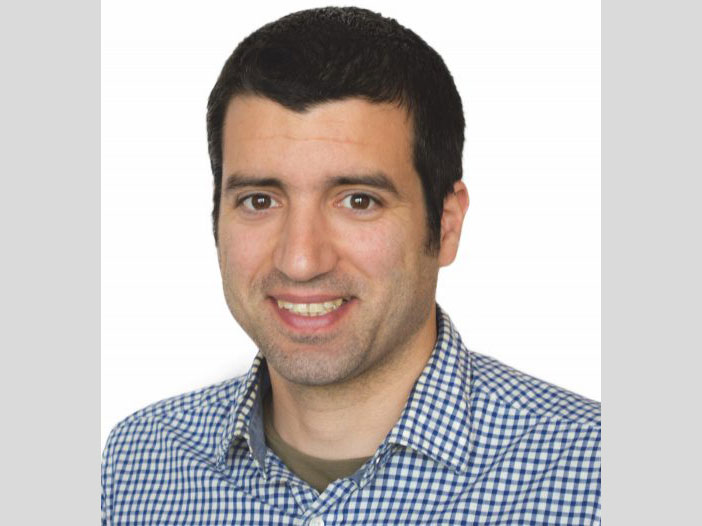
Julio Saez-Rodriguez

Heidelberg University, University Hospital Heidelberg & EMBL
Professor of Medical Bioinformatics and Data Analysis, Heidelberg University
Director of Institute of Computational Biomedicine, Heidelberg University
Group Leader, EMBL-University Hospital Heidelberg Molecular Medicine Partnership Unit
pub.saez@uni-heidelberg.de
Director ELLIS Unit

Oliver Stegle

DKFZ & EMBL
Division Head, Computational Genomics and Systems Genetics, DKFZ
Group Leader, Statistical Genomics and Systems Genetics, EMBL
o.stegle@dkfz-heidelberg.de
ELLIS Faculty

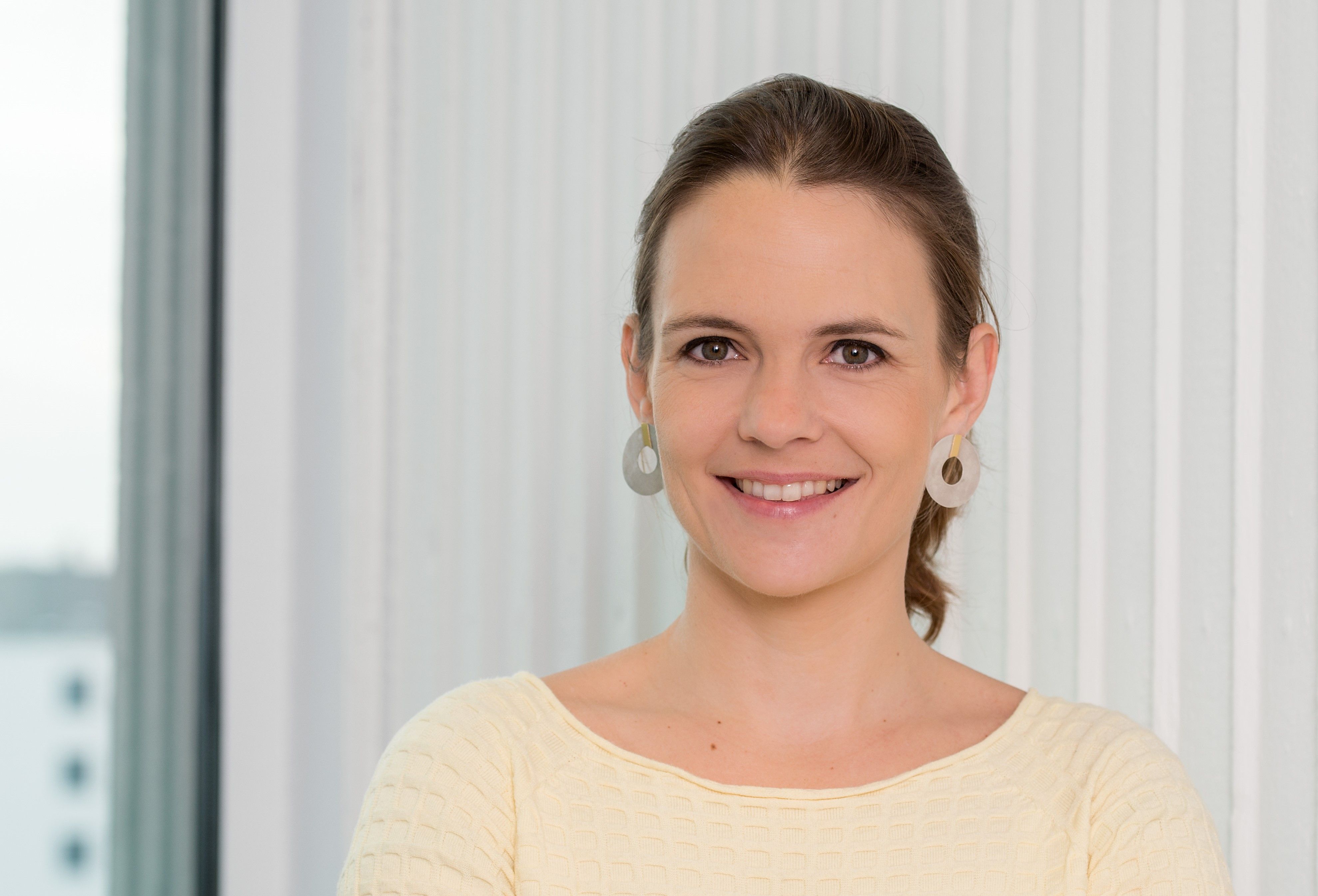
Britta Velten

Heidelberg University
Group Leader for Multifactorial Data Analysis & Machine Learning in the Life Sciences
Centre for Organismal Studies Heidelberg (COS) & Center for Scientific Computing (IWR)
britta.velten@cos.uni-heidelberg.de

Management Team

Our Mission

Our passion lies in tackling the big questions of our time - from understanding the principles of life to addressing the digital health challenges of tomorrow.

By uniting the unique strengths of the European Molecular Biology Laboratory (EMBL Heidelberg), the German Cancer Research Center (DKFZ), and Heidelberg University, we create a vibrant ecosystem that fosters pioneering breakthroughs and sets new benchmarks in scientific AI.

Rooted in collaboration, transdisciplinary research, and purposeful training, we equip the next generation to tackle the grand challenges ahead.

Our Vision

Our vision is to break down disciplinary barriers by weaving AI into the very fabric of science. We will achieve this by cultivating a community that blends the scientific cultures of AI and the life sciences. We unify the data universe to create breakthroughs.

Our Values

Excellence

We conduct frontier AI research with the highest scientific standards.
In AI applications and training, we make a difference and create impact.

Openness & Collaboration

Innovation and breakthroughs do not happen in silos - being open and collaborative is key.

Responsibility

We strive to drive the development of ethical and responsible AI methods in health and life science research and sharing of robust AI output.

Our Services to the Community

We bring stakeholders together to create a critical mass and interdisciplinary interactions.
We provide ethical guidelines, meeting space and research foundations such as data and technical infrastructure.
We create a brand for the AI research of the region.
We market scientific achievements and put them on the world’s radar.
We build an ecosystem - providing the best conditions for research & application.
We promote opportunities in the network.
We unify the community of AI and life science researchers and create synergies.
We train the next generation of AI scientists.
We facilitate translation and connections to our industry network.

European Laboratory for Learning and Intelligent Systems - ELLIS

Connection
The ELLIS Unit Heidelberg is part of the ELLIS Society.
ELLIS Society
ELLIS - the European Laboratory for Learning and Intelligent Systems - is a pan-European AI network of excellence which focuses on fundamental science, technical innovation and societal impact.

Founded in 2018, ELLIS builds upon machine learning as the driver for modern AI and aims to secure Europe’s sovereignty in this competitive field by creating a multi-centric AI research laboratory.

ELLIS wants to ensure that the highest level of AI research is performed in the open societies of Europe and follows a three-pillar strategy to achieve: (1) AI talent development - through the ELLIS PhD & PostDoc Program, (2) regional AI ecosystems - through the ELLIS Sites, (3) cross-border scientific innovation - through the ELLIS Programs.
Part of a Regional AI Ecosystem
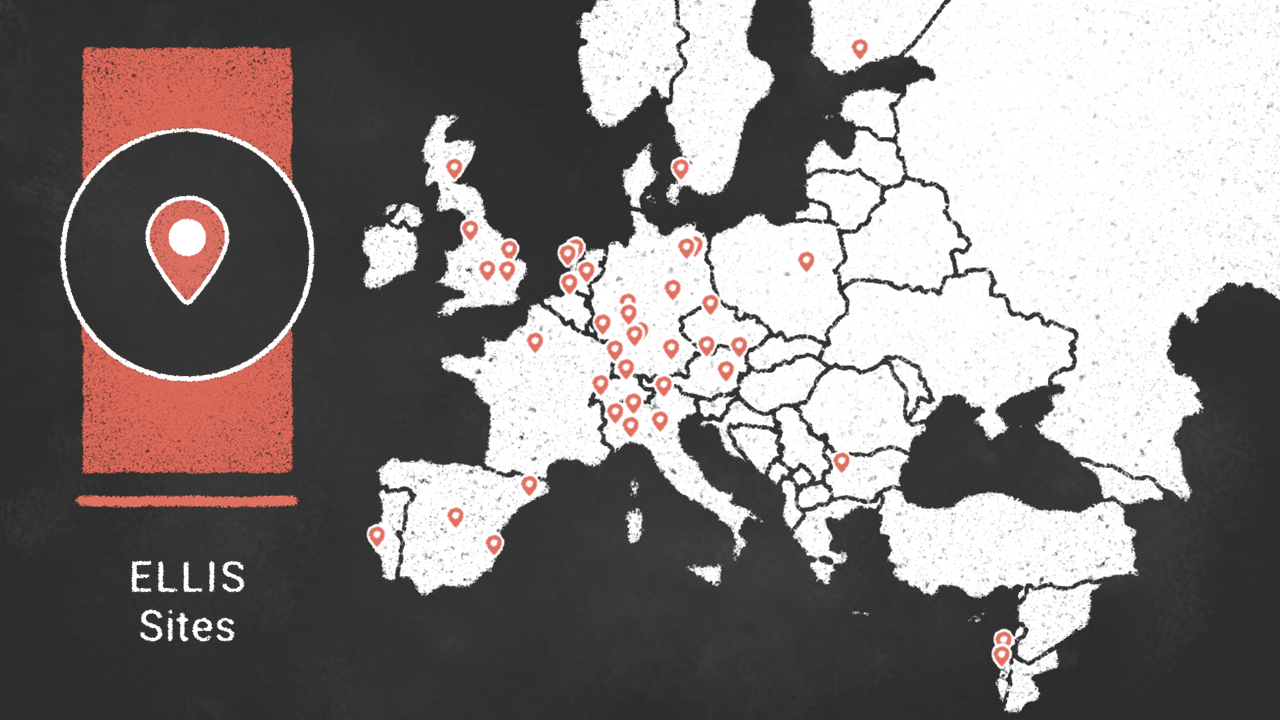
ELLIS is establishing a network of research sites across Europe, consisting of ELLIS Units and Institutes.

These locations act as hubs for cutting-edge AI research, uniting leading scientists and strengthening collaboration with industry partners.

The ELLIS Society currently includes 42 units, 1 associate unit, and 2 institutes across 17 countries, involving a total of 60 partner institutions.

AI Health Innovation Cluster

The idea for AI Life Delta originated in the Think Tank of the AI Health Innovation Cluster (AIH). Financed through state funds approved by the state parliament of Baden-Württemberg, AIH was bringing together leading scientists at the interface of AI, healthcare, and data science to combine the expertise of the region’s renowned health and biomedical research institutions and foster collaboration on cutting-edge research for AI applications in health.
Mission
The AI Health Innovation Cluster (AIH) was a collaborative project linking challenging questions in the health and life sciences to the state of the art in AI research. The German Cancer Research Center (DKFZ), the European Molecular Biology Laboratory (EMBL), Heidelberg University, Heidelberg University Hospital, University Hospital Mannheim, the Central Institute of Mental Health, and the Max Planck Institute for Medical Research first officially joined forces through AIH in 2024.

The collaboration among these seven institutions generated sustainable synergies in the academic, medical, and health economic sectors and together became a stronger voice for the use of AI in health research. AIH has established a network of 55 fellows and more than 100 PIs from seven research institutions aiming to integrate AI tools in biological and healthcare research. This network continues under the umbrella of AI Life Delta.
Structure of the Cluster
Through a competitive fellowship program, AIH funded interdisciplinary projects that linked data infrastructures, AI methods research, ethical-legal research issues, and clinical application fields across disciplines. The projects, which were selected solely on the basis of scientific excellence, synergistically linked several partners or institutions.

Central competence teams for important core tasks supported the funded projects and activities. The Software Competence Center ensured the sustainable use of software developments within the cluster. The Data Competence Center combined expertise in data engineering and professional software development with data science, particularly in the areas of AI, machine learning, and mathematical modelling. Thus, it served as a multiplier for biomedical research in the region by supporting use cases in research groups associated with AIH. The Scientific Competence Center for Ethics and Law of AI was dedicated to exploring the legal and ethical issues related to the development and use of AI technologies in health and life sciences in order to develop a concept that secure the use of AI in medical research in the future. This work set a important foundation for AI Life Delta.
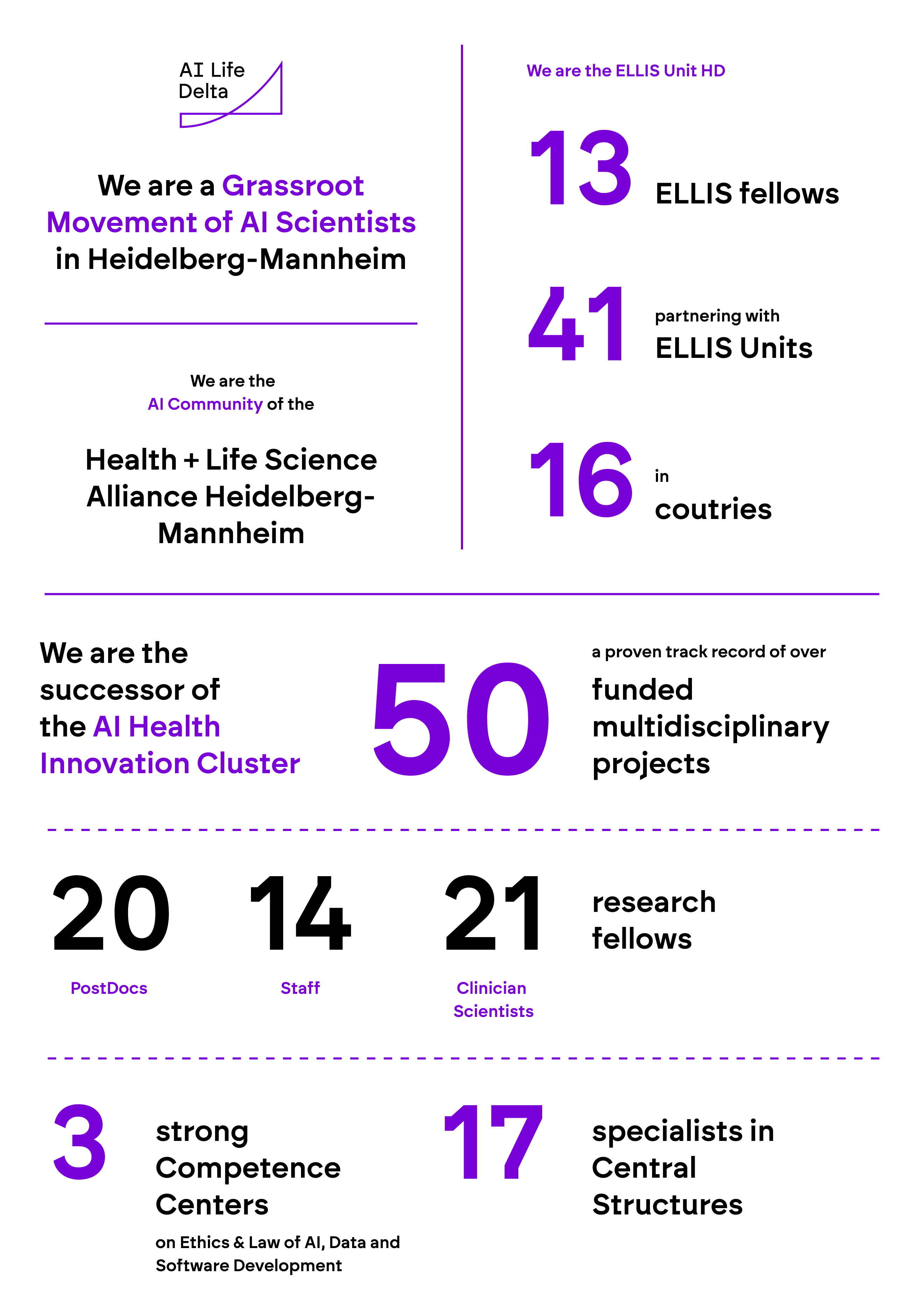
We are a Grassroots Movement of AI Scientists in Heidelberg-Mannheim
We are the
AI Community of the
Health + Life Science Alliance Heidelberg-Mannheim
We host the ELLIS UNIT Heidelberg
13
ELLIS faculty 
members
41
partnering with
ELLIS Units
16
in
countries
In conjunction with the AIH Cluster link, we have a proven track record of over
50
funded 
multidisciplinary
projects
20
PostDocs
14
Staff
21
Clinician
Scientists
research fellows
3
strong Competence Centers
on Ethics & Law of AI, Data and Software Development
17
specialists in 
Central 
Structures
Our Network
Associated Members and Groups
Events