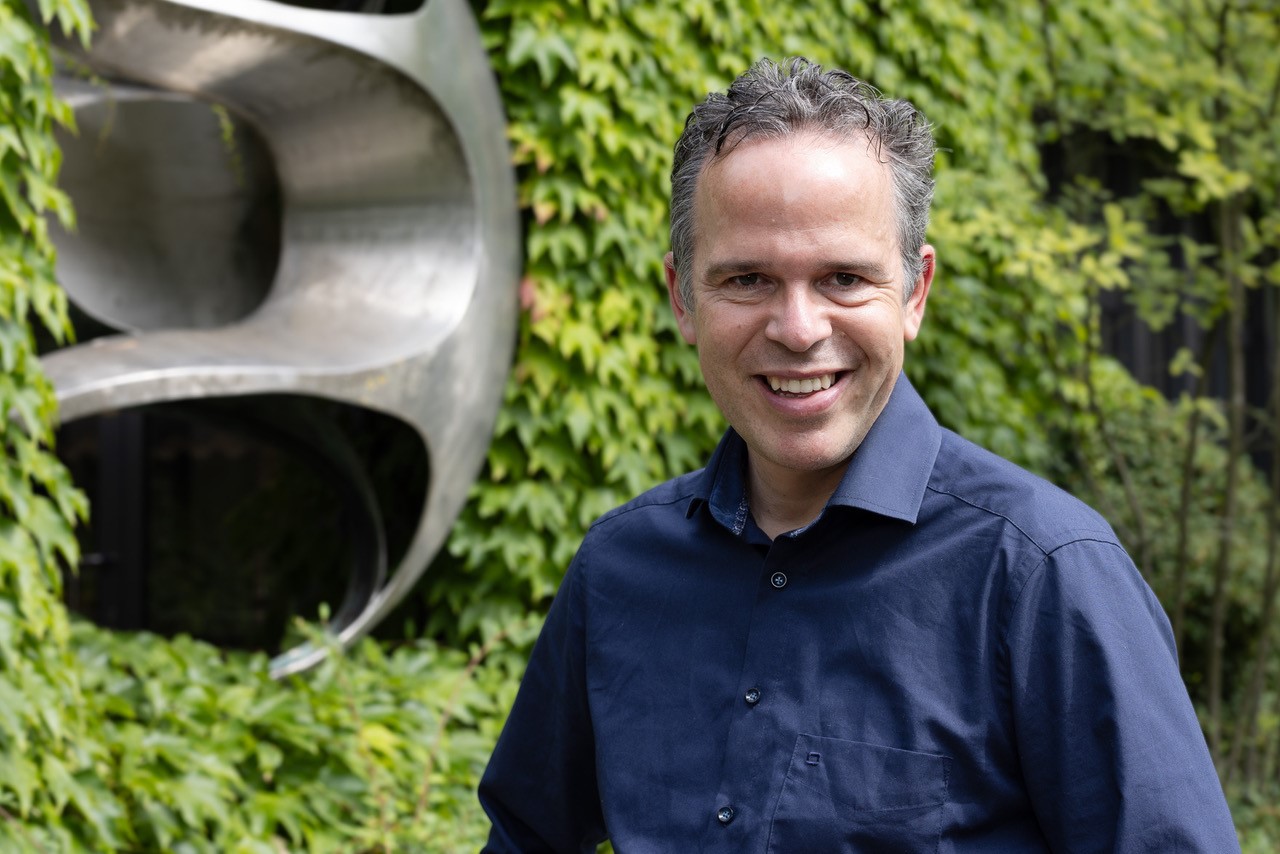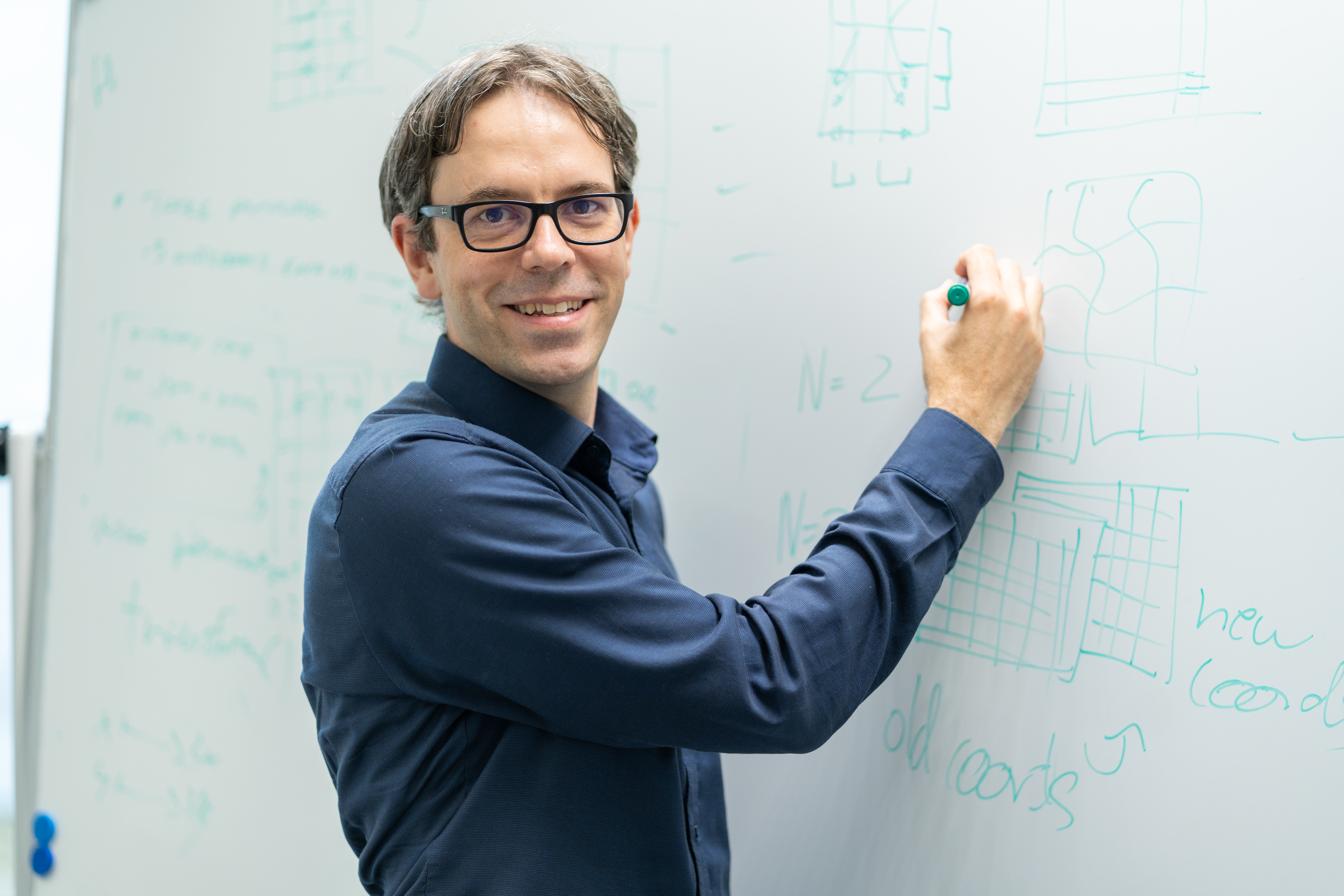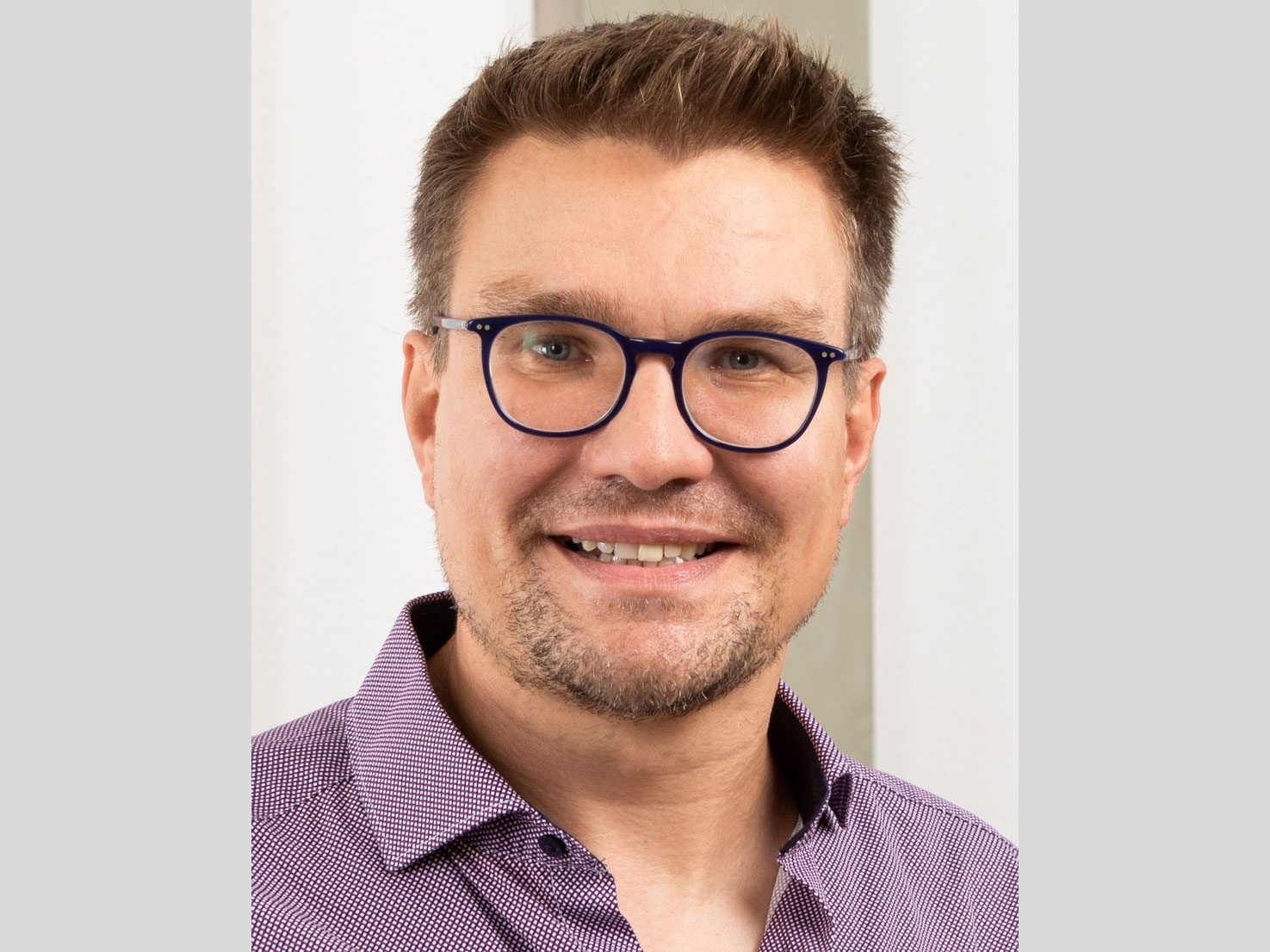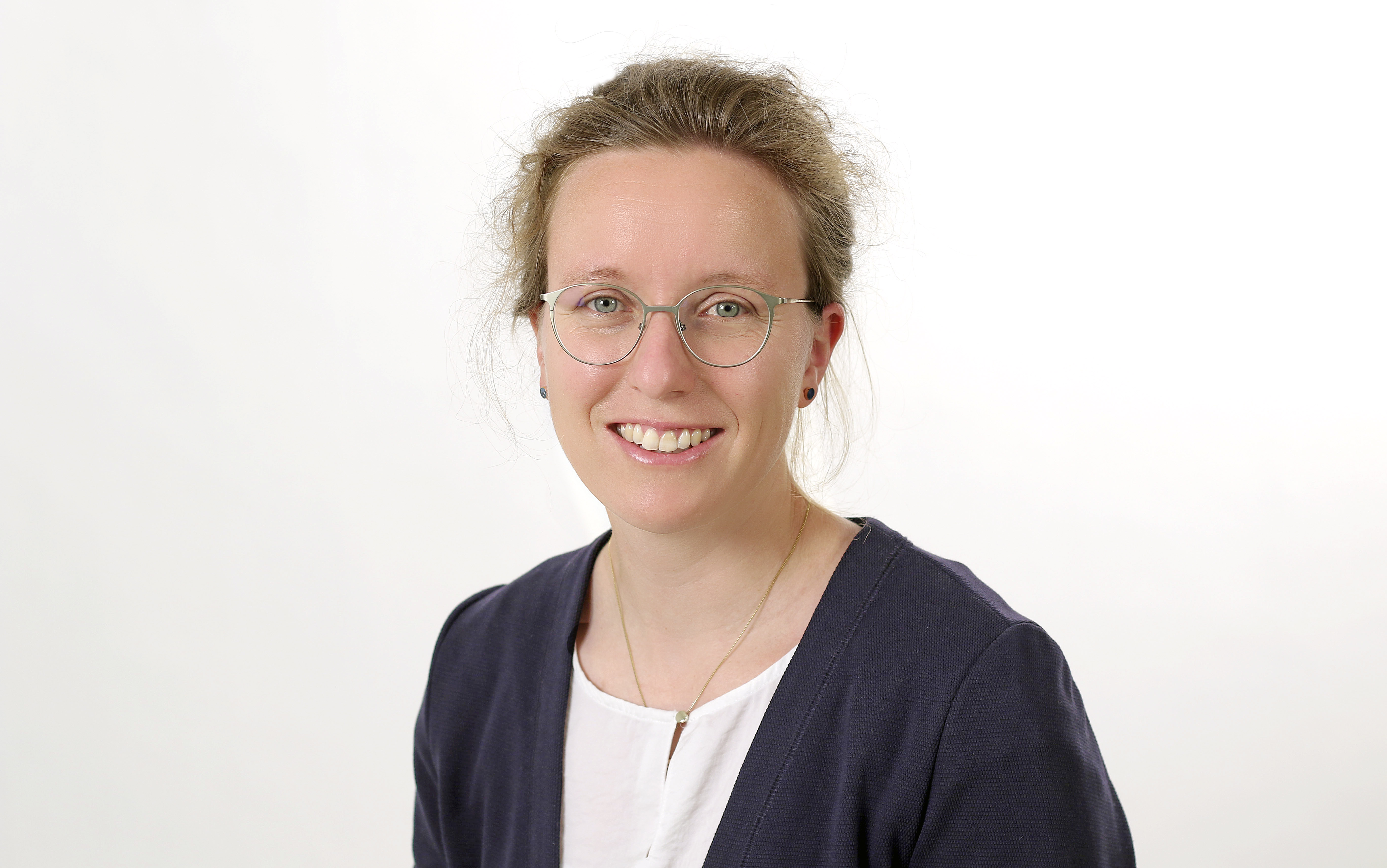




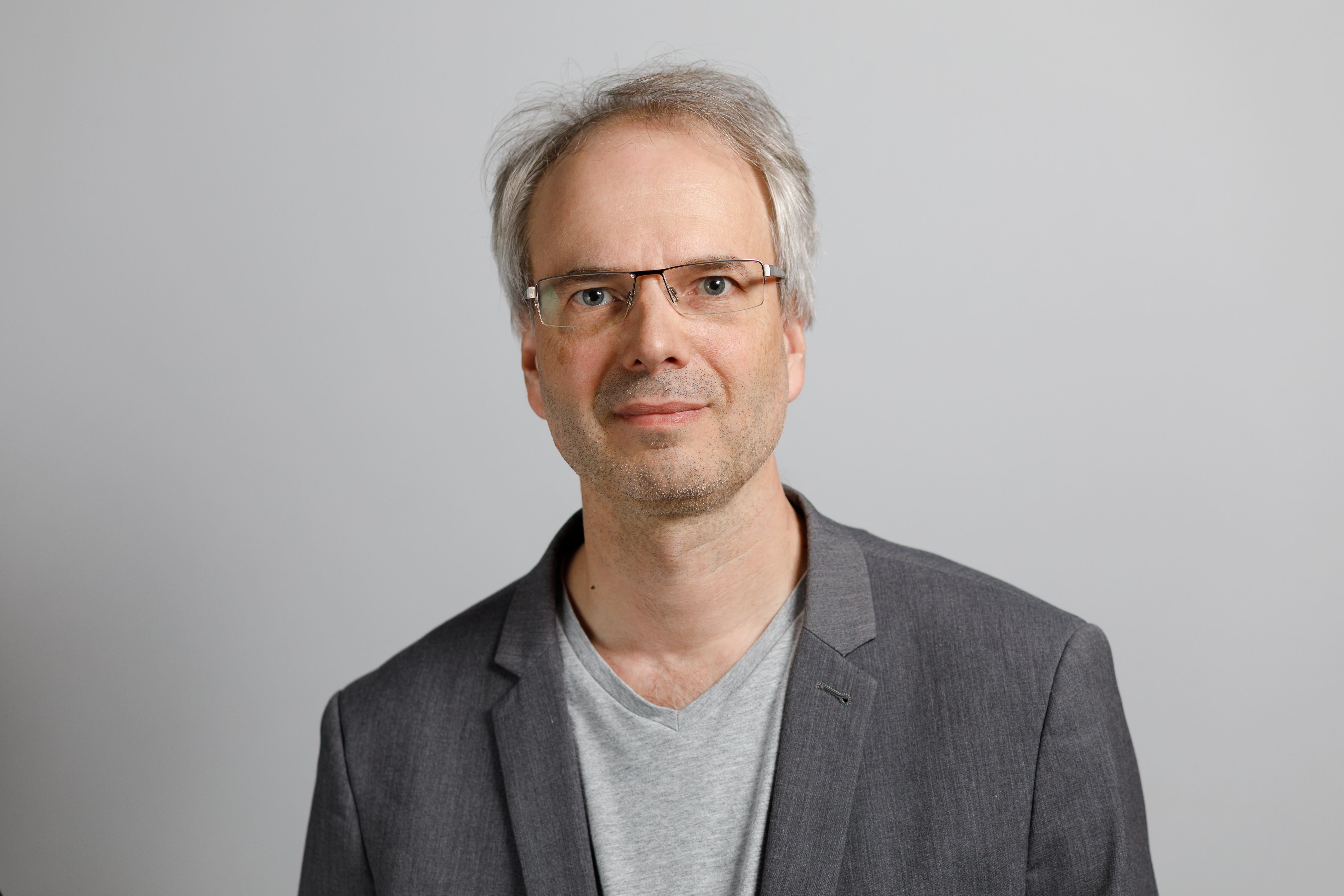
Our research focuses on machine learning and AI models for dynamical systems reconstruction, which is the learning of governing equations from time series data, and the application of these models in neuroscience and psychiatry. Our goal here is to develop multi-modal, interpretable AI methodology for learning digital twins of brain dynamics, which can be used to gain insight into the brain’s computational mechanisms as well as into disturbed dynamics in psychiatric conditions.


Moritz Gerstung's research leverages machine learning and AI to understand tumor growth and development. His work spans cancer evolution, genomics, and digital pathology, integrating computational approaches to derive biological insights.
For more information, please visit: https://www.dkfz.de/en/artificial-intelligence-in-oncology
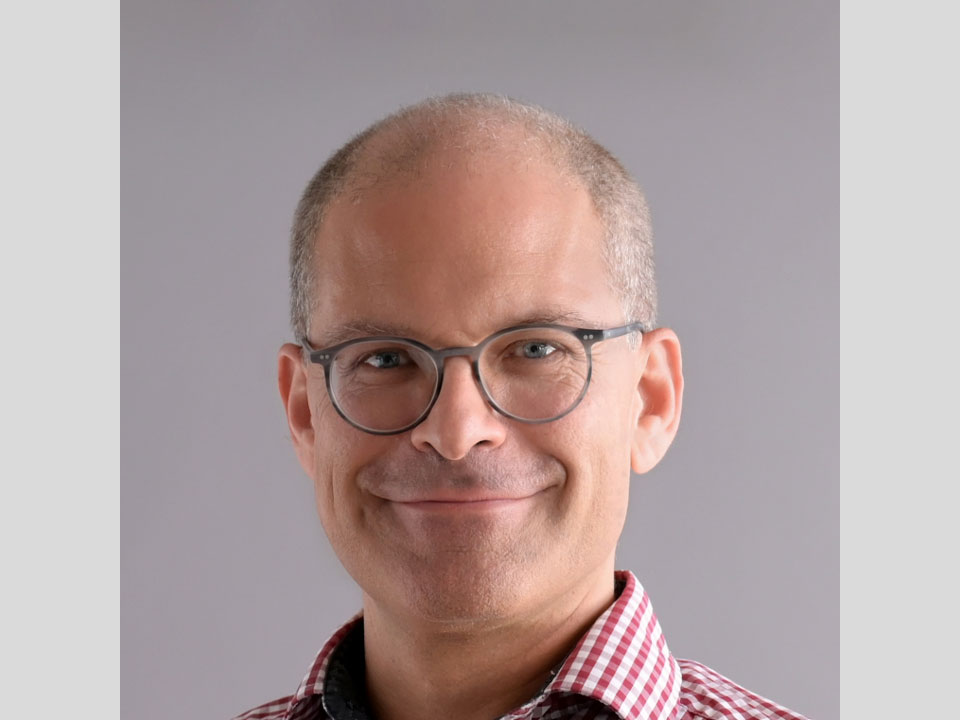

Wolfgang Huber enjoys exploring new datasets, developing statistical methods, and discovering new biological insights. The Huber group studies biological systems by developing statistical and computational methods for the analysis of new data types and novel, large systematic datasets. These include single-cell and spatial omics, high-throughput drug- and CRISPR-based perturbation assays, and quantitative imaging. Projects range from applied data analysis for biological discovery to theoretical method development. The team studies fundamental biological model systems as well as clinical samples for direct applications in biomedicine and precision oncology.
For more information, please visit https://www.huber.embl.de/group/.
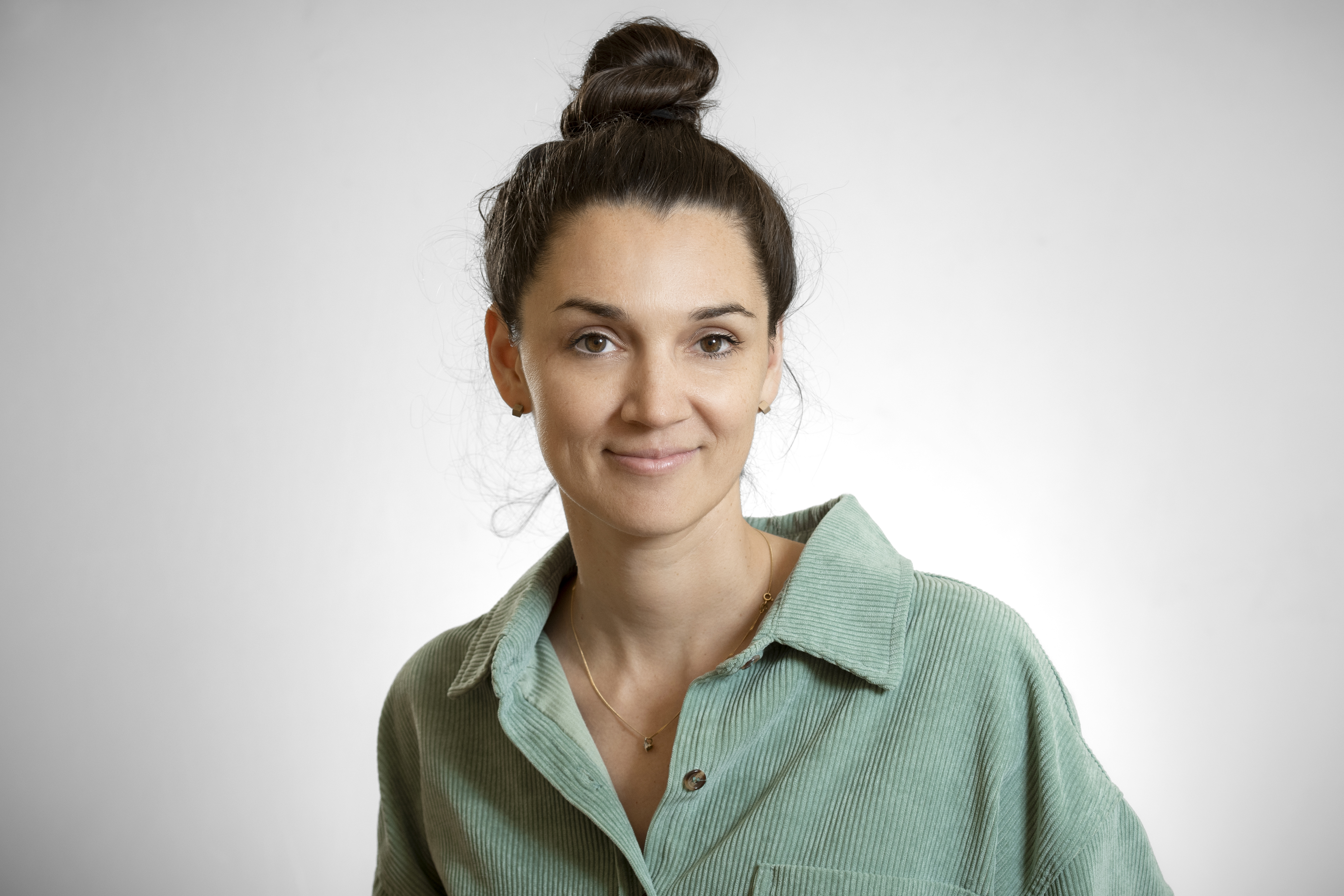
Our research focuses on understanding how humans think and act, using machine learning to model and predict behavior in real-world contexts and controlled experimental settings. By drawing inspiration from cognitive science, we aim to design AI architectures that mimic human-like learning and problem-solving. At the same time, we leverage AI tools to gain deeper insights into the complexities of human cognition and behavior.
https://humml.iwr.uni-heidelberg.de/

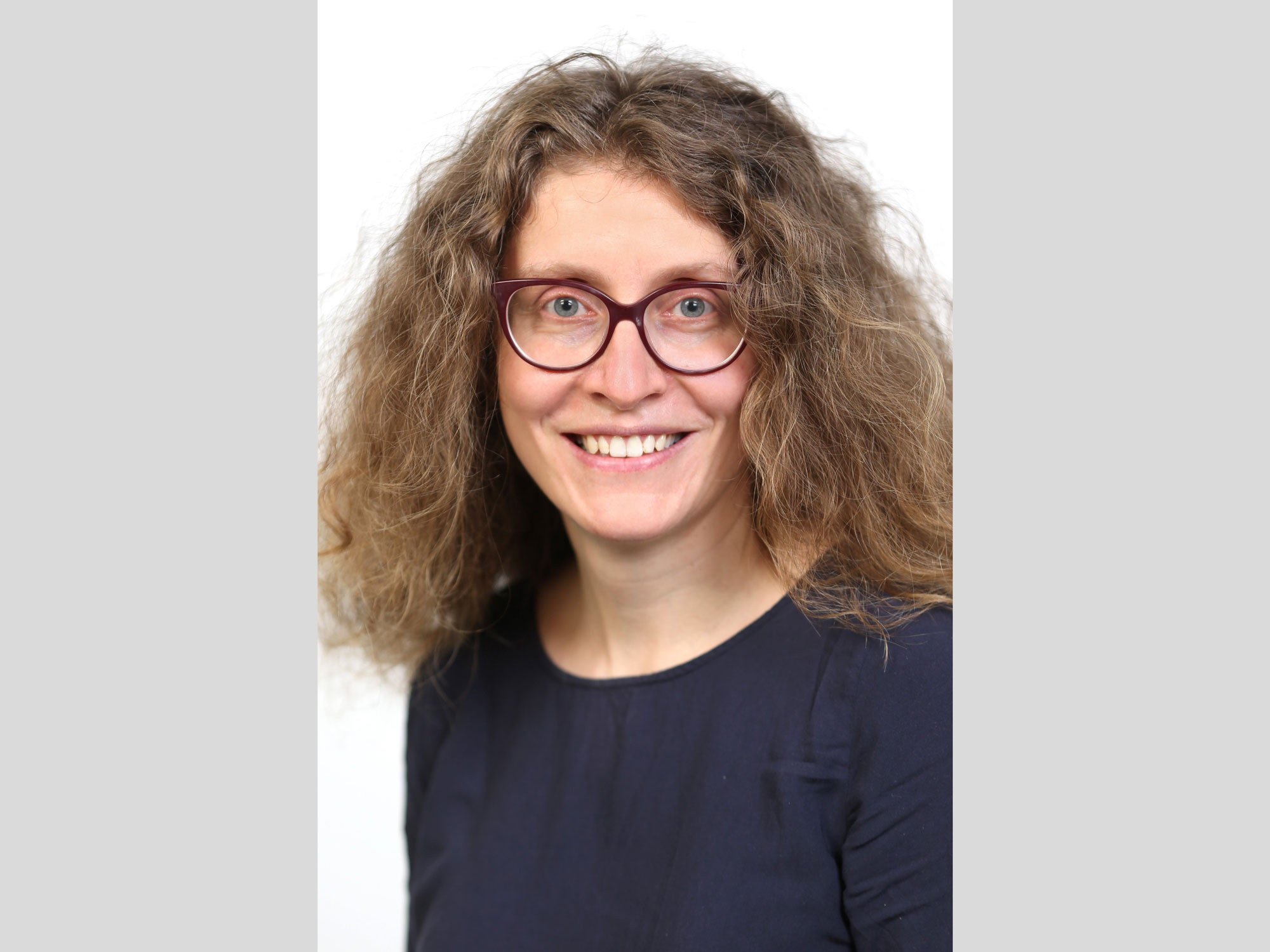
As a Group Leader at EMBL, Anna Kreshuk supervises an interdisciplinary team working with large, volumetric, challenging datasets. She is passionate about working closely with biologists and microscopists, “I want to help biologists do things they’re not even considering at the moment because it takes too long to do. By removing the imaging analysis bottlenecks, we’ll enable researchers to think of more interesting and ambitious experiments.”
To learn more about the Kreshuk group’s work with machine learning-based methods, tools for automatic segmentation, classification, and analysis of biological images, go to: https://www.embl.org/groups/kreshuk/